November 4, 2026
Home energy efficiency influences utility costs, indoor comfort, and heating system performance. During colder months, equipment must maintain warmth without wasting energy. Professional heating services help identify performance issues, address worn components, and recommend suitable improvements.
With regular maintenance and timely repairs, homeowners can support reliable operation, improve heat distribution, and make informed decisions about their home's energy efficiency throughout the heating season.
Understanding How Heating Efficiency Works
Heating efficiency describes how effectively a system converts energy into useful warmth for a home. Equipment condition, system design, installation quality, and the home's insulation all influence how well indoor temperatures are maintained. A system that runs frequently does not always indicate a problem, especially during particularly cold weather. However, persistent temperature differences, unusual operating patterns, or rising energy bills may warrant a professional assessment.
According to IBISWorld, the United States is home to over 118,433 businesses specializing in HVAC contracting. For homeowners, choosing qualified professionals can help ensure that equipment concerns receive appropriate attention. A technician can evaluate the system's performance, identify possible sources of inefficiency, and explain which improvements may be worthwhile.
Efficiency also depends on the relationship between heating equipment and the building itself. Drafts, insufficient insulation, and poorly sealed ductwork can allow heat to escape before it reaches the spaces where it is needed. Even well-maintained equipment may have difficulty keeping a home comfortable when these conditions are present. Looking at the system and the home together provides a more complete picture of energy performance.
Improving Performance Through Regular Maintenance
Routine professional maintenance helps keep heating equipment in suitable operating condition. Over time, components can accumulate dust, experience wear, or develop issues that affect performance. A scheduled inspection allows a technician to examine important system parts, check operating conditions, and identify concerns before they become more disruptive.
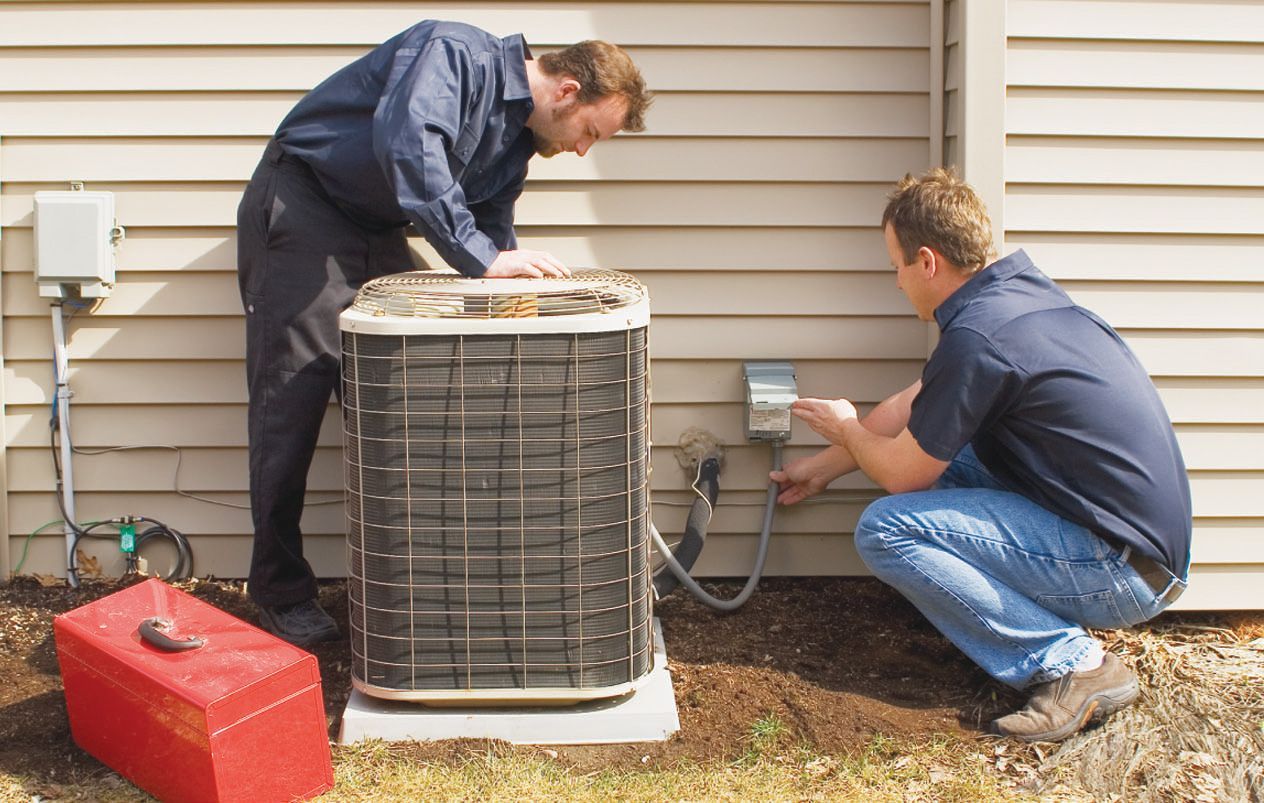
During a maintenance appointment, a qualified technician may inspect electrical connections, evaluate controls, check airflow, and assess components according to the equipment manufacturer's recommendations. The exact tasks depend on the system type and its condition. Addressing developing issues can help reduce unnecessary strain on equipment and support more consistent operation.
Regular heating services also give homeowners an opportunity to discuss changes in comfort or energy consumption. If a system has begun cycling unusually, making unfamiliar noises, or taking longer to warm the home, sharing those observations can help guide the assessment. Professional attention does not guarantee lower utility bills, since weather, energy rates, and household habits also affect costs. However, keeping equipment in appropriate condition can support reliable performance and help identify avoidable operating problems.
Supporting Even Heat Distribution
A comfortable home should not feel significantly colder in one room than another without an identifiable reason. Uneven heating can result from airflow restrictions, duct leaks, thermostat placement, insulation differences, or equipment that does not adequately serve the home's layout. These issues may encourage occupants to raise the thermostat, increasing energy use without resolving the underlying cause.
A professional evaluation can help determine why certain rooms receive less warmth. Technicians may review airflow, inspect accessible ductwork, assess system controls, and consider whether the equipment suits the property's heating requirements. Recommendations will depend on the source of the problem rather than relying on a single solution for every home.
Ductwork leaks and restricted airflow can reduce heat delivery and affect comfort. Technicians can identify problems and recommend repairs to improve distribution and limit energy waste. Thermostat placement also matters, as drafts and nearby heat sources may affect readings. Professional adjustments can support consistent temperatures without unnecessarily increasing energy use.
Reducing Heat Loss Around the Home
Heating equipment cannot work efficiently when a home loses warmth through gaps, poorly insulated areas, or leaky windows and doors. Heat naturally moves from warmer areas toward colder ones, so weak points in the building envelope can make it harder to maintain a steady indoor temperature. Addressing these conditions can complement improvements to the heating system.
Homeowners may benefit from a professional assessment that considers insulation, air leakage, and the condition of windows and doors. Depending on the findings, recommended improvements could include sealing gaps, improving insulation, or addressing specific areas where drafts are noticeable. These measures can help retain indoor warmth and reduce the demand placed on heating equipment during cold weather.
Attics, basements, and exterior walls deserve attention because insulation and air sealing affect indoor comfort. The best improvements depend on the home's age and construction. Evaluating insulation alongside heating equipment helps homeowners identify priorities, retain warmth, reduce unnecessary energy use, and improve overall efficiency without relying on a single upgrade.
Choosing Equipment That Fits Your Home
The size and type of heating equipment can influence comfort, energy consumption, and operating costs. A system that is too small may struggle to maintain the desired temperature during cold weather. Oversized equipment may reach the thermostat setting quickly and cycle on and off more frequently than intended, depending on the system design. Both situations can affect comfort and performance.
When replacement becomes necessary, professional heating services can help homeowners compare equipment options based on the property's size, layout, insulation, and heating requirements. A technician can explain differences between available systems and discuss efficiency ratings, installation needs, and expected operating considerations. Selecting equipment based on the home's actual requirements is more useful than choosing a model based on size or price alone.
Equipment age, repair history, performance, parts availability, and operating costs can help determine whether replacement is worthwhile. A professional assessment clarifies the options. Proper installation is equally important because incorrect setup can reduce efficiency. Qualified technicians can install equipment correctly and verify its operation, supporting reliable performance and consistent home comfort over time.
Managing Energy Use During Colder Weather
Daily temperature settings and household routines can influence how much energy a heating system uses. Maintaining a reasonable thermostat setting that suits household comfort can help avoid unnecessary heating demand. Programmable or smart thermostats may also help manage temperatures around regular schedules, provided the settings are appropriate for the equipment and the people living in the home.
Thermostat settings, seasonal inspections, and professional heating services can support efficient system operation. A qualified technician can explain suitable temperature settings, identify performance issues, and recommend improvements. Since energy bills vary with weather, rates, and occupancy, evaluating these factors alongside system performance helps homeowners make informed decisions about comfort and energy use.
Recognizing When Professional Attention Is Needed
Unusual noises, weak airflow, inconsistent temperatures, burning odors, or heating failures warrant professional inspection. Leave immediately if a carbon monoxide alarm sounds. A system that produces little or no heat during cold weather may require prompt service, particularly when indoor temperatures are falling.
Homeowners should also take unusual burning odors, signs of electrical problems, or suspected fuel leaks seriously. If a carbon monoxide alarm sounds, everyone should leave the building and contact emergency services from a safe location. Fuel-burning equipment should have appropriate carbon monoxide detection in accordance with applicable safety guidance.
Timely heating services help technicians identify concerns, explain findings, and recommend suitable repairs or replacements. Ongoing efficiency also depends on airflow, insulation, thermostat settings, and equipment condition.
Keeping records of maintenance, repairs, and energy use helps homeowners recognize recurring issues, discuss performance changes with professionals, and prioritize improvements based on safety, comfort, and budget. Regular reviews support informed decisions about long-term home efficiency.
A dependable heating system can make colder seasons more comfortable while supporting thoughtful energy use. For homeowners looking to improve performance, professional guidance can help connect equipment care with the broader conditions affecting a home.
Scotti Mechanical Heating and Cooling Services can help homeowners explore their heating needs and determine appropriate options for their equipment.
Contact Scotti Mechanical Heating and Cooling Services to discuss your home's heating needs and schedule professional assistance.